Placement Year
Engine and tools: Unreal Engine, Unity, Adobe Photoshop, Adobe Premiere pro, Office 365 Suite
Overview
After my second year of university I worked at a studio called Bulldog Games for a year as a placement. During my year here I worked on three separate projects. The first was a project was a “games as a teaching tool” project meant to teach medical students about realistic medical scenarios. The idea was that students would be more likely to remember facts if they had fun learning them, it also gave them a safe space to make mistakes. This project was a commission by another university and so it gave me experience pitching projects to stakeholders. My responsibilities also included game design and pacing, minigame design, UI design
The second project I worked on was a turn based strategy city builder with an emphasis on building an eco friendly city. The goal of the game was to create a eco friendly city that lasts 200 years. I picked up this project pretty late so the majority of my responsibilities included balancing, tutorial design and UI design.
For the third project we were told to design a social deduction game, but we were split into groups to come up with different ideas and then present them to the managers. This helped me develop skills in collaborative idea development, and presentation. Once the game was selected I was the design lead, In this game a group of space scavengers board a organic ship known for its sacred artifacts. Players would either work together or against each other in order to secure the most artifacts that they could then sell for money, each artifact would have different properties and mechanics tied to them which would encourage different behaviours. This project was also part of a study on human behaviour.
Skills Used
Level Design
Affordance
Shape Language
Pace and Flow
Mechanic Design
Iteration
Playtesting
Diagrams and Graphs
2D Layouts
Iteration
Colour Theory
Collaboration Skills
Teamwork
inner and cross-disciplinary Communication
Presentation
Design Goals - Social Deduction Game
Design an environment that would rewards both team work and backstabbing in a balanced way.
Design “artifacts” of varying difficulty that would have their own mechanics and effects.
Design mini-games for the players to complete to unlock more of the map to explore
Design a rule set for the procedural generation to follow to ensure maps weren’t too confusing or repetitive
Design rooms that will be placed along the procedurally generated corridors, each with their own mini-games/traps/challenges to incentivise players to use them.
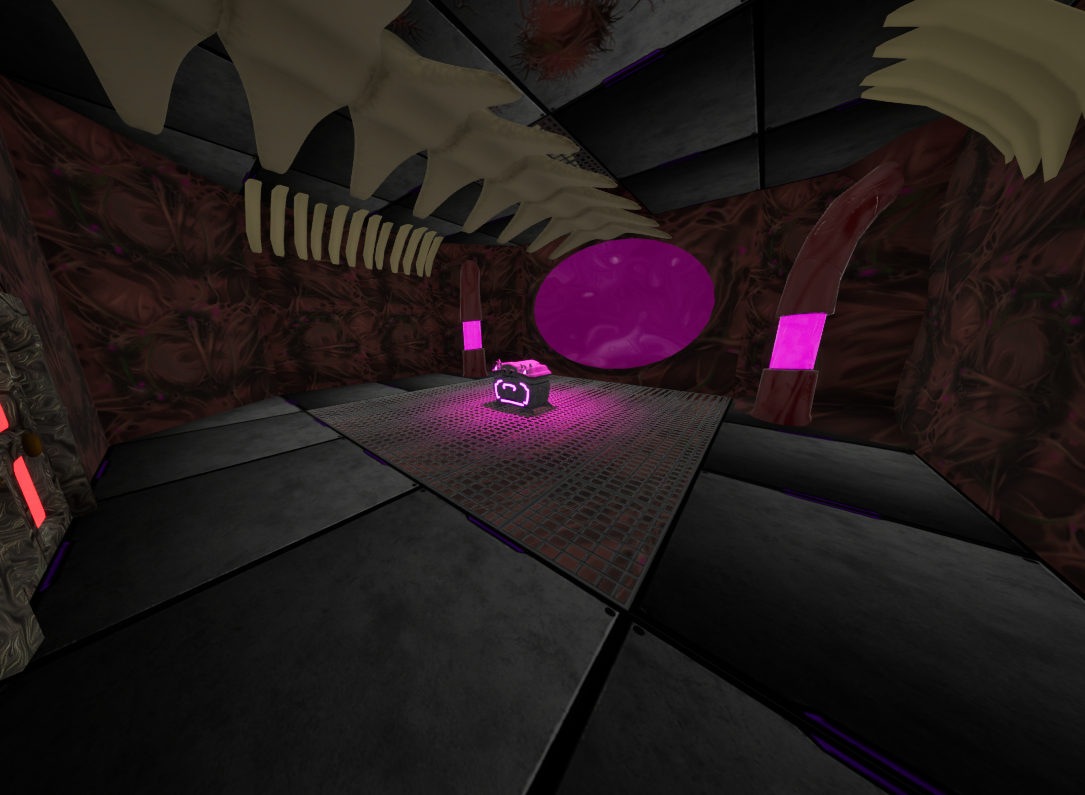
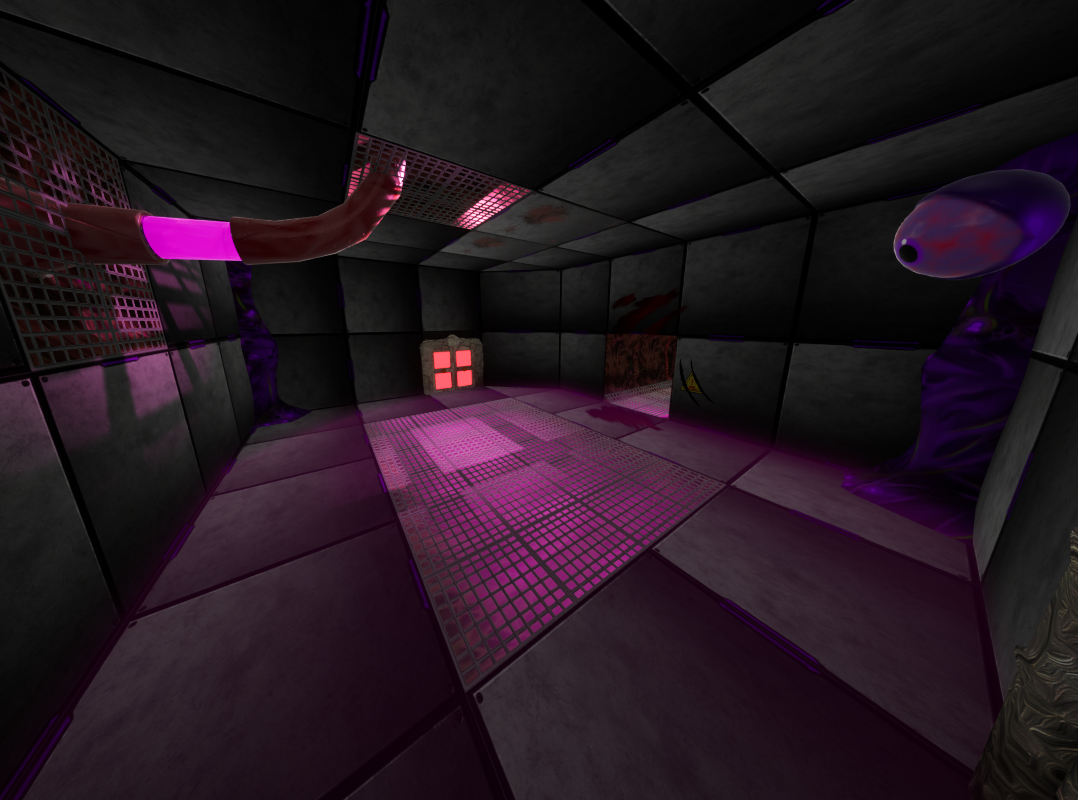
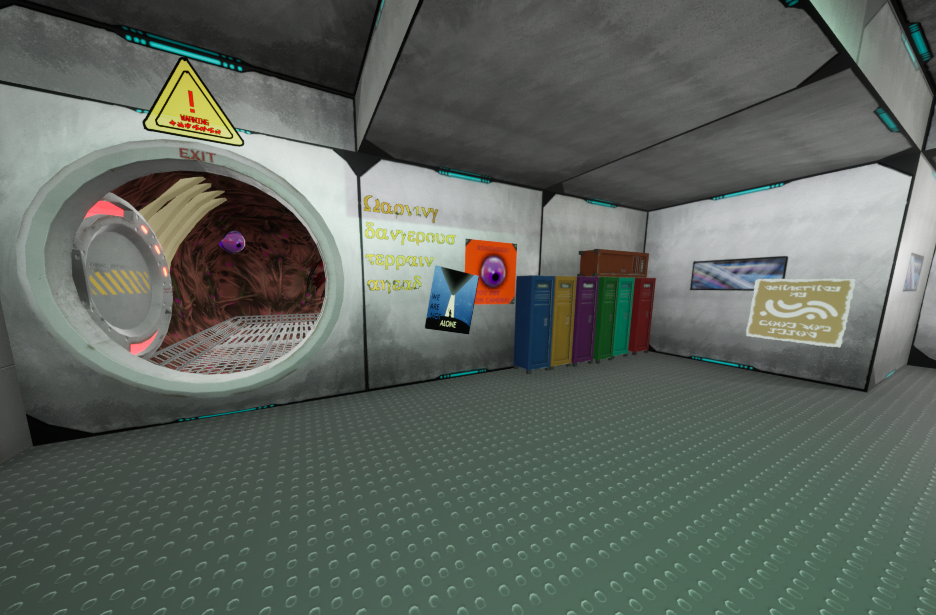
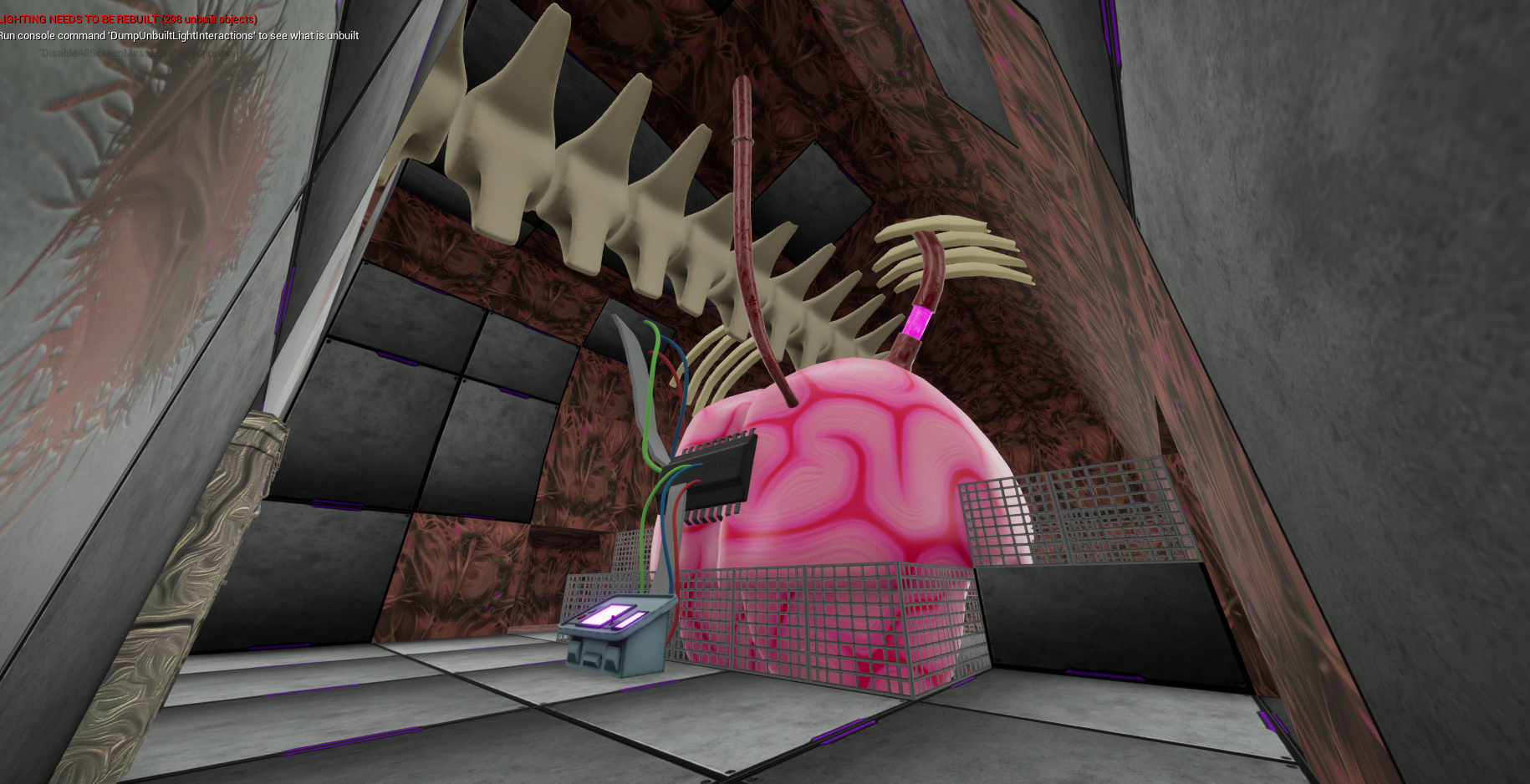
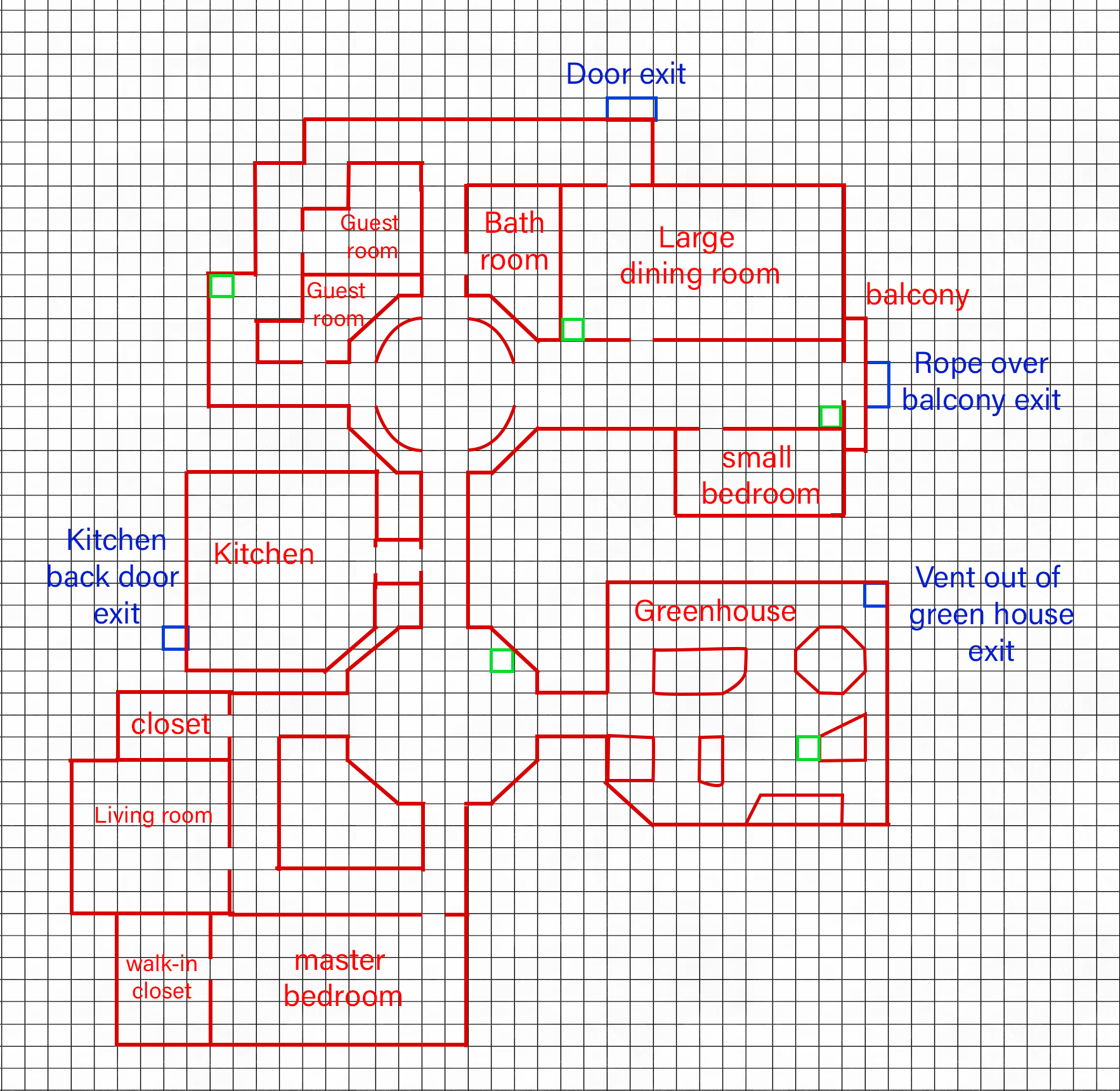
map for a scrapped social deduction game where Player theifs would blend in among NPC's